 Gardener Southfields — Recycling and Sustainability for Greener Gardens
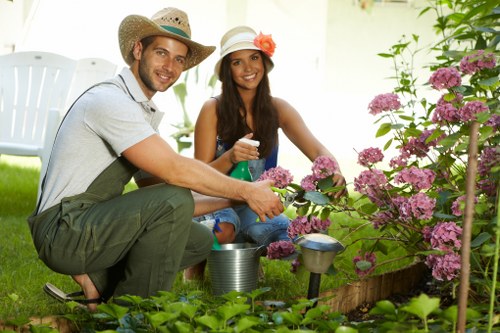
Gardener Southfields champions an eco-friendly waste disposal area and a thriving sustainable rubbish gardening area across the neighbourhood. Our approach integrates practical on-the-ground recycling with broader environmental goals: reducing landfill, encouraging reuse, and promoting soil health through composting. As a local Southfields gardener and community partner, we align with borough priorities on waste separation while tailoring services to gardens, communal greens and allotments.
 We set a clear, measurable target: a bold recycling percentage target of 65% diverted from landfill by 2028. That target covers green waste, woody prunings, soil and inert materials, along with reusable timber and pots. In line with the borough’s approach to waste separation — encouraging residents to separate food waste, garden refuse, mixed recyclables and residual waste at source — our schemes prioritise source segregation, collection efficiency and education for neighbours and estate managers.
Eco-friendly Waste Disposal Areas and Sustainable Rubbish Gardening Areas
Our designated eco-friendly waste disposal area is designed for gardener-scale volumes and community drop-offs. It supports:
- Green waste processing for shredding and composting branches, leaves and turf
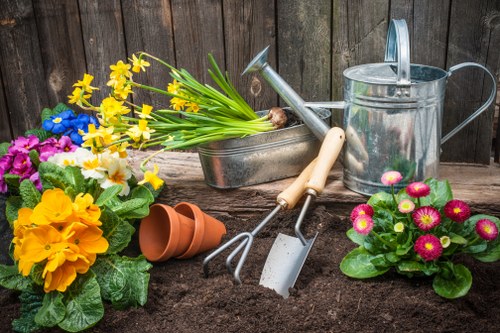
- Reuse bays for pots, tools and salvaged timber
- Segregated bays that mirror the borough’s kerbside separation system for paper, card, glass and plastics
 Local transfer stations play a vital role in making this possible. We route sorted materials to nearby transfer stations and material recovery facilities, shortening haul distances and cutting emissions. Examples include borough transfer hubs and regional material recovery facilities where garden-origin organics are turned into compost or biomass feedstock rather than sent to landfill.
Partnerships, Redistribution and Low-Carbon Fleets
We work with several charity partners and reuse organisations to ensure surplus garden supplies and serviceable items get a second life. These partnerships include community tool libraries, furniture reuse charities and food redistribution networks that accept surplus edible produce from allotments and community orchards. By formally partnering with local charities we reduce waste and support social value outcomes in the area.
 Our logistics rely on a growing fleet of low-carbon vans and last-mile solutions. Low-emission electric vans and plug-in hybrids handle routine collections while e-cargo bikes cover short trips across Southfields’ denser streets. This mixed fleet lowers operational emissions and supports quieter, cleaner neighbourhood streets. Vehicle routing is planned to minimise empty runs to regional transfer stations and to maximise payloads of separated materials.
 In addition to vehicles, our operations include mobile separation units and secure reuse lockers for neighbours to deposit clean pots, planters and small furniture items. These systems are designed to mirror the borough’s waste separation categories so that materials can be processed immediately at transfer stations or channelled to local recycling and composting partners without cross-contamination.
Measurement and continuous improvement are central to Gardener Southfields’ sustainability promise. We track tonnages of green waste, wood, soil, plastics and metals diverted from landfill and publish progress against the 65% diversion target. Data-sharing agreements with transfer stations and material recovery facilities allow us to verify outcomes and prioritise improvements where contamination or mixed loads reduce recycling yields.
Community engagement is embedded in our model: working with residents’ associations, estate maintenance teams and allotment groups to explain the borough’s separation scheme and how to use the local disposal area. Rather than issuing generic instructions, we deliver focused outreach — seasonal composting drives, swap days for garden tools and joint charity collections — all aimed at strengthening reuse pathways and reducing the volume of residual waste.
Operational resilience also matters: contingency routing to alternate transfer stations, on-site temporary storage for oversize garden waste, and partnerships with accredited material recovery facilities ensure continuous service during peak seasons. Our commitment to sustainable rubbish gardening areas includes maintaining soil health by returning composted organics to community beds and limiting chemical waste streams through carefully managed disposal points.
Why this matters for Southfields: a cleaner urban environment, improved air quality from fewer diesel collections, and healthier soils in community green spaces. Our combination of low-carbon vans, local transfer station routing, charity redistribution and a clear recycling percentage target forms a practical blueprint for sustainable garden waste management at neighbourhood scale.
Gardener Southfields remains committed to collaborating with local authorities, transfer stations and voluntary sector partners to keep materials circulating locally and to reduce environmental impact. By prioritising an eco-friendly waste disposal area and a resilient sustainable rubbish gardening area, we support the borough’s wider waste separation objectives while delivering tangible benefits for residents, biodiversity and the climate.
In summary: Gardener Southfields will pursue a 65% recycling/diversion target, strengthen links with local transfer stations and charities, and expand low-carbon van operations to create a reliable, sustainable network for garden-related waste — helping Southfields grow greener, one compost heap at a time.